
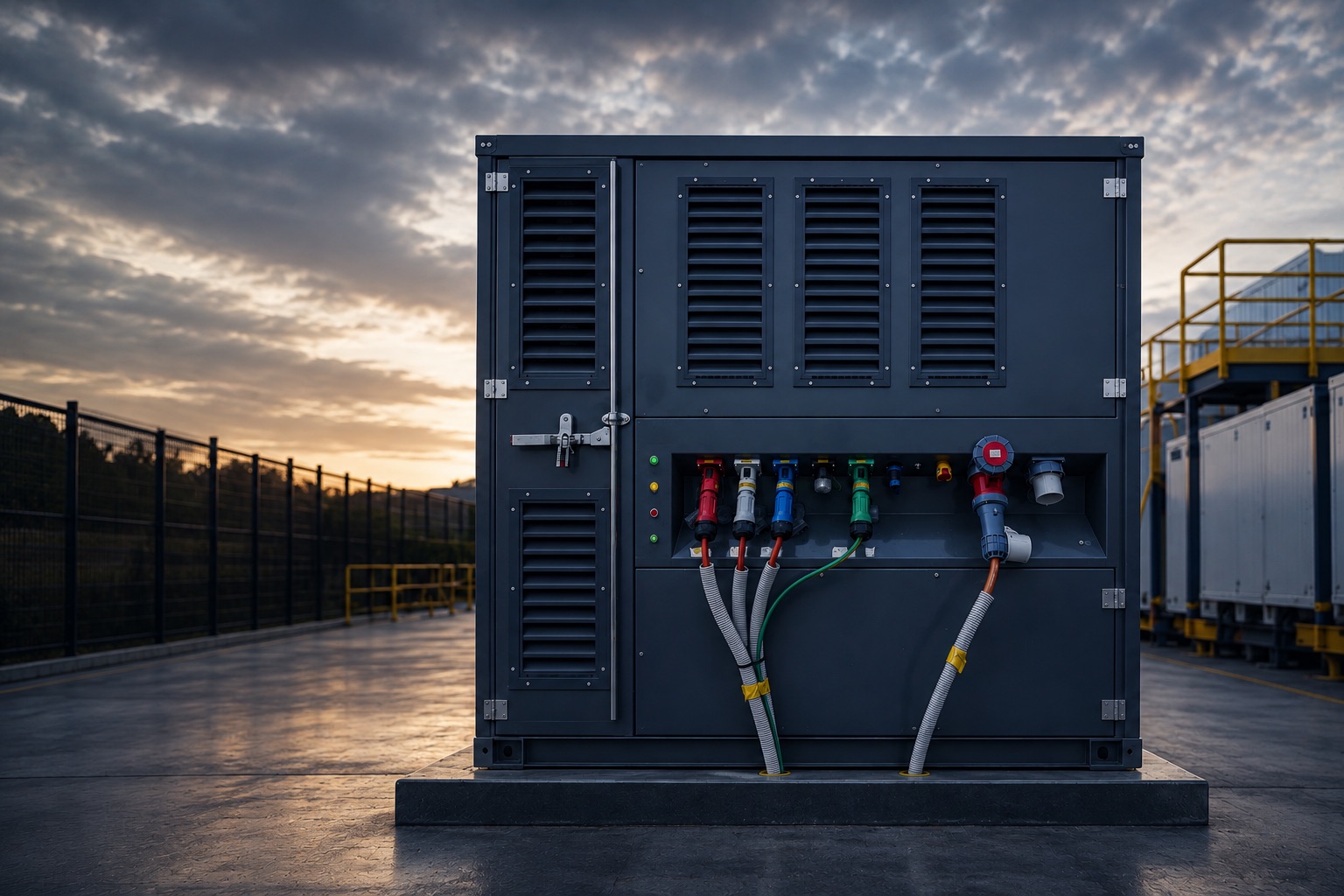
Battery power instead of a diesel generator.
Potain PA and PE lithium power systems that run a tower crane or hoist without a generator. For hire or purchase, supplied and serviced by our own technicians.
The battery carries the peaks,
so the diesel drops.
A tower crane draws its peak for a few seconds in each lift, and a diesel set big enough for that spike burns fuel and makes noise all shift. The battery turns it around: a small, steady supply keeps the battery charged, and the battery alone handles the spikes.
After the diagram in the Potain Power PA/PE Series range brochure, which is also where every figure and the 70% and 1/6 claims on this page are read from.
A small supply charges it
Three-phase input from as little as 5 kW: a temporary builder's supply, or a generator a fraction of the old size running at constant, efficient load.
The battery carries the lift
The pack delivers the one-minute spike of a lift on its own, the spike the old set was sized for, at one sixth of that set's scale.
The site runs quiet
No exhaust at the point of use, and noise low enough for night pours and early starts next to neighbours.
Pick a machine. The row is its full spec.
Four machines, every figure from the range brochure. Select any model for its photo, datasheet and full detail. Runtime depends on the crane and the shift pattern — size it with the calculator alongside, or hand a technician the numbers.
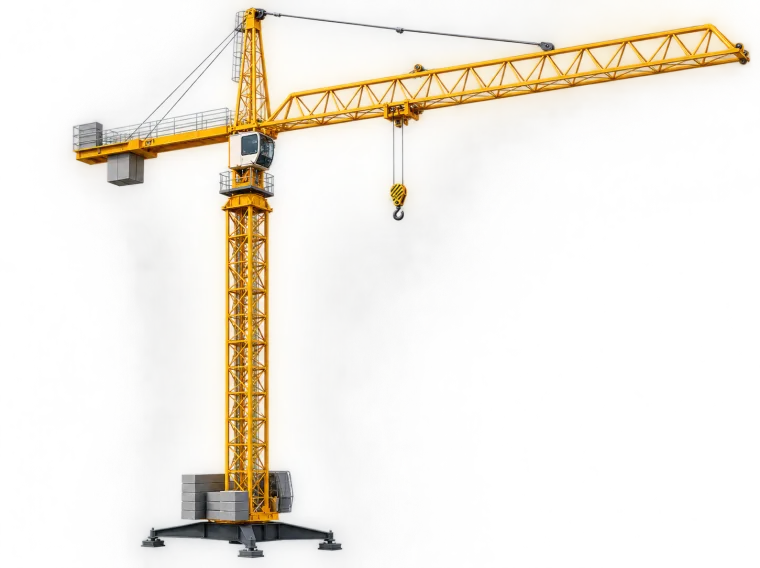
Estimate your savings
Size your battery system in seconds
A battery cuts this by up to 70%.
Opens the calculator on these numbers, or hand it to a technician instead — ask about a battery system →
| Model | Rated | Peak, 1 min | Peak current | Capacity | Input, 3 ph | Weight | Sealing |
|---|---|---|---|---|---|---|---|
| Compact sites and smaller cranes | 125 kVA | 150 kVA | 209 A | 32 kWh | 5–30 kW | 1050 kg | IP65 |
| Mid-size tower cranes | 188 kVA | 250 kVA | 348 A | 32 kWh | 5–30 kW | 1500 kg | IP65 |
| Large cranes and multi-load sites | 375 kVA | 450 kVA | 626 A | 65 kWh | 5–60 kW | 2100 kg | IP65 |
| Heavy sites and extended runtime | 500 kVA | 600 kVA | 835 A | 497 kWh | 0–105 kW | 11000 kg | IP54 |
PA125 and PA250 share the 32 kWh pack: same battery, different inverter rating. The PA range carries the peaks between top-ups; the PE500 carries a shift's energy on board.
PA125
Lithium power system
Compact sites and smaller cranes. Every figure here is read from the machine's page of the range brochure.
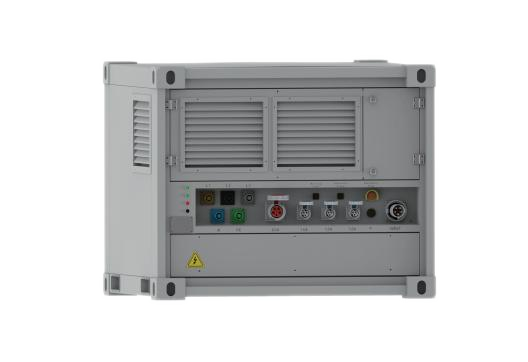
PA250
Lithium power system
Mid-size tower cranes. Every figure here is read from the machine's page of the range brochure.
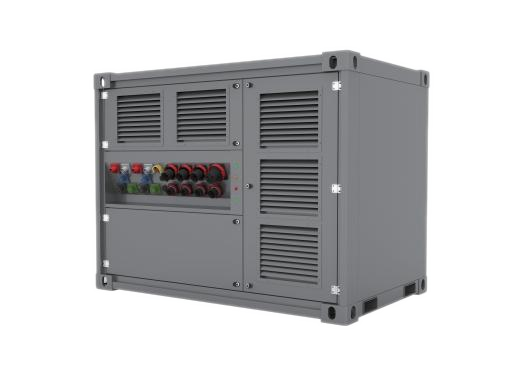
PA375Pro
Lithium power system
Large cranes and multi-load sites. Every figure here is read from the machine's page of the range brochure.
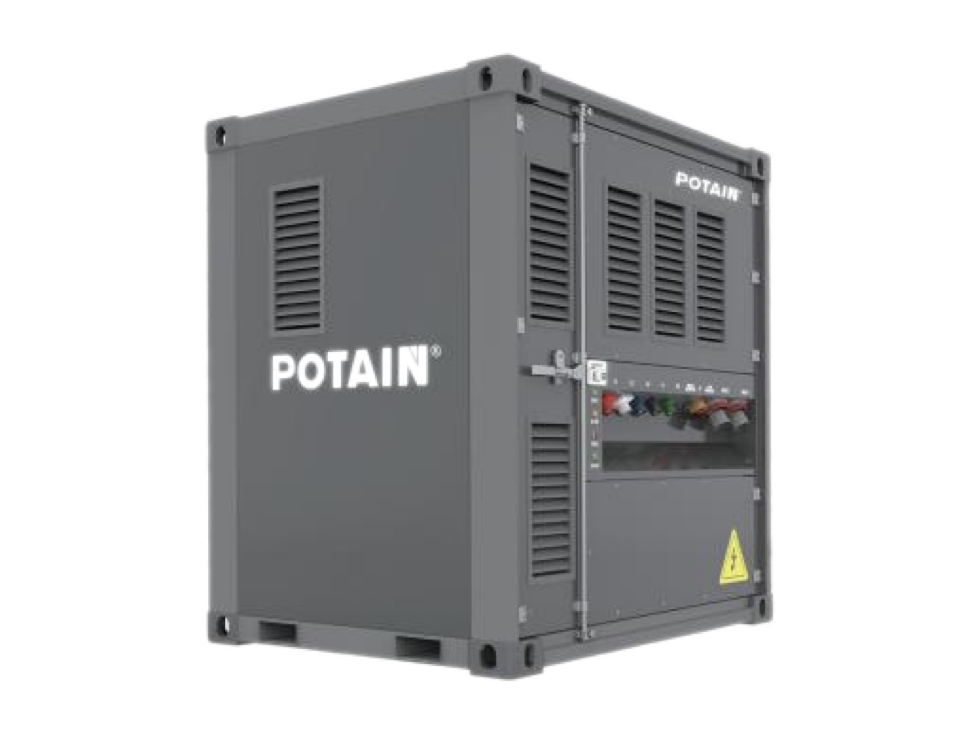
PE500
Lithium power system
Heavy sites and extended runtime. Every figure here is read from the machine's page of the range brochure.
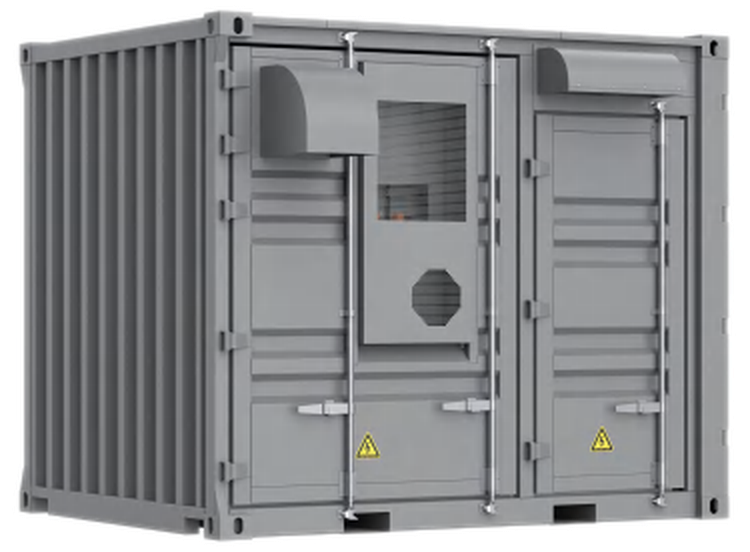
What it takes to put one on site.
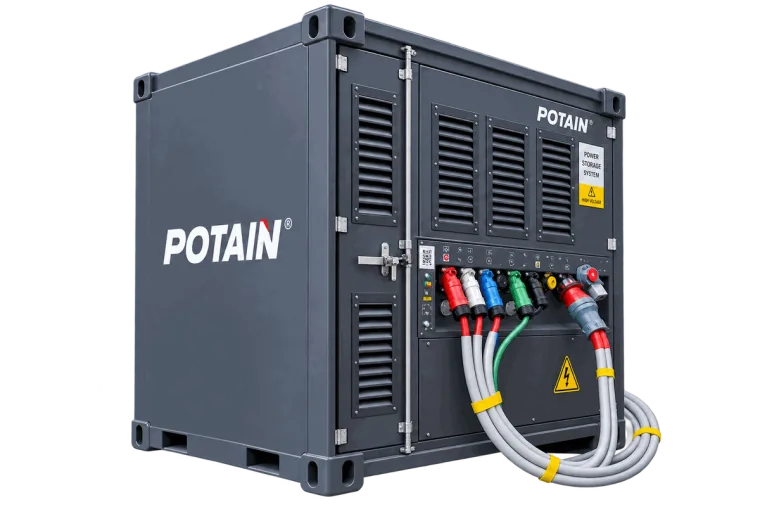
Getting power onto site, in three parts: what you need ready, how you get one, and what happens after.
01
What your site needs ready
A crane lift and hardstand for the delivery: 1,050 kg for a PA125 up to 11,000 kg for a PE500. A three-phase feed of 5–105 kW depending on the model, and a spot within cable reach of the crane base. Our technicians deliver, place and connect it.
02
Hire it or buy it
Both are quoted per site, against the crane, the duty cycle and the programme. That is what sets the model and the price. The paperwork is public: read the Battery Hire & Sale Terms before you ask for a number.
03
After delivery
Wear parts kept on the shelf at our QLD Depot. Enquiries answered within 2 business days; breakdowns answered around the clock by factory-trained technicians.
More on the trade-off: running a tower crane on battery instead of diesel →
Have a question first? Common questions about battery power →